When couples are trying to conceive, the conversation around fertility often centers on women, cycles, ovulation, and egg quality. But male reproductive health matters just as much. In fact, male factors contribute to roughly half of all fertility challenges.
The good news: Sperm health is highly responsive to lifestyle and nutritional support. Understanding what influences male reproductive health, and how to address it, can make a meaningful difference.
What Does Sperm Health Actually Mean?
When we talk about male fertility, we’re really talking about three main parameters that fertility specialists assess:
- Count: the total number of sperm in a semen sample
- Motility: the ability of sperm to move efficiently toward an egg
- Morphology: the size and shape of sperm, which affects fertilization ability
A problem in any of these areas can affect the chances of conception. The encouraging part is that the body is always producing new sperm, which means that nutritional and lifestyle changes can translate into real improvements in sperm quality over time.
What Affects Sperm Quality?
Several factors influence the health of sperm and the environment in which they develop:
Oxidative Stress
Sperm cells are particularly vulnerable to damage from free radicals, which are unstable molecules that can harm cell membranes, mitochondria, and even DNA. Oxidative stress is one of the most common underlying causes of poor sperm quality, and it’s often driven by diet, environmental exposures, and lifestyle habits.1
Antioxidant nutrients play a critical role here: They neutralize free radicals and protect sperm during production and in transit.1
Energy Production
Sperm cells are among the most energy-demanding in the body. Motility, the swimming power of sperm, depends almost entirely on mitochondrial function. When cells lack the raw materials for energy production, sperm movement suffers.2
Hormone and Cellular Signaling
Sperm production is regulated by hormones including testosterone, follicle-stimulating hormone (FSH), and luteinizing hormone (LH). Nutritional deficiencies can disrupt these signals and reduce the efficiency of sperm development.3
Key Nutrients for Male Reproductive Health
A growing body of research supports several specific nutrients for their role in sperm count, motility, and morphology. Here’s what the evidence points to:
L-Carnitine
L-carnitine is an amino acid found in high concentrations in the male reproductive tract. It plays a central role in sperm energy metabolism by transporting fatty acids into the mitochondria, where they’re converted into fuel. Studies suggest L-carnitine supplementation can support both sperm motility and morphology, particularly in men with low antioxidant status.4
CoQ10
Coenzyme Q10 (CoQ10) is a fat-soluble compound essential for mitochondrial energy production. Because sperm motility is so dependent on mitochondrial function, CoQ10 is one of the most studied nutrients in male fertility research. Clinical trials have found that CoQ10 supplementation can meaningfully support sperm count and motility parameters.2,5,6
Zinc
Zinc is one of the most important minerals for male reproductive health. It supports testosterone production, sperm cell maturation, and DNA integrity within sperm. Zinc deficiency is linked to reduced sperm count and poor motility. Maintaining adequate zinc levels provides foundational support for healthy sperm at every stage of development.7
Maca Root
Maca root (Lepidium meyenii) is a Peruvian plant traditionally used to support energy and vitality. Modern research suggests it may also benefit male fertility: Several clinical studies have found improvements in sperm concentration and motility with maca supplementation, without directly affecting hormone levels. Its exact mechanism is still being explored, but it’s thought to work through antioxidant and adaptogenic pathways.3
Antioxidants: Vitamins C and E, Selenium
A combination of antioxidants, including vitamin C, vitamin E, and selenium offers broad protection against oxidative damage to sperm DNA and membranes. These nutrients work synergistically. Vitamin C helps regenerate vitamin E, while selenium supports both sperm production and antioxidant enzyme activity. Together, they form a protective layer around developing sperm cells.1
B Vitamins: Folate and B12
Folate and B12 are essential for DNA synthesis and cell division, processes that happen continuously during sperm production. Adequate folate intake is associated with lower rates of sperm DNA fragmentation, which can affect fertilization and early embryo development. The bioactive form of folate (methylfolate) is preferred by the body over folic acid.6
The Case for a Comprehensive Approach
Sperm health isn’t determined by a single nutrient. The process of sperm production involves multiple biological systems, including energy metabolism, DNA replication, antioxidant defense, and hormonal signaling, each of which benefits from targeted nutritional support.
This is why formulas that combine antioxidants, energy-supporting compounds, and reproductive herbs tend to be more effective than single-ingredient supplements. A broad-spectrum approach addresses the complexity of male fertility rather than targeting only one pathway.
Men who may especially benefit from nutritional support include those who:
- Are looking to proactively support healthy sperm count and motility parameters
- Are in a preconception period and want to optimize sperm quality
- Have high occupational or environmental exposures to toxins
- Experience high levels of physical or psychological stress
- Follow restrictive diets that may create nutritional gaps
How to Use Male Fertility Supplements
Nutritional support for sperm health isn’t instant. It works by improving the environment in which sperm develop. Most research on male fertility supplements measures outcomes at around three months, which is why consistent daily use over that period is the standard recommendation.
For best results:
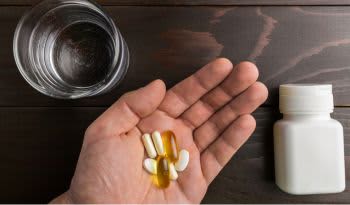
- Take supplements with a meal to improve absorption and minimize stomach sensitivity
- Maintain consistent daily use rather than sporadic dosing
- Pair supplementation with supportive lifestyle habits: limiting alcohol, avoiding cigarette smoke, reducing heat exposure (laptops, hot baths), and maintaining a healthy weight
- Consult a healthcare provider if combining with any medications or if there are underlying health concerns
Supporting Male Fertility From the Inside Out
Male fertility is multifactorial, and so is the nutritional strategy that supports it. By combining antioxidant protection, mitochondrial fuel, key minerals, and evidence-backed botanicals, men can take an active role in supporting their reproductive health regardless of where they are on the fertility journey.
Reproductive health is genuinely a shared endeavor. Supporting both partners nutritionally creates the best environment for conception and a healthy pregnancy.
References:
- Agarwal A et al. Reprod Biol Endocrinol. 2021;19(1):110.
- Balercia G et al. Fertil Steril. 2005;83(5):1338-1345.
- Gonzales GF et al. Asian J Androl. 2001;3(4):301-303.
- Lenzi A et al. Fertil Steril. 2003;79(2):292-300.
- Moslemi MK et al. Int J Gen Med. 2011;4:45-51.
- Safarinejad MR et al. J Urol. 2009;182(1):237-248.
- Young SS et al. Fertil Steril. 2008;89(4):996-1000.
DISCLAIMER:
These statements have not been approved by the Food and Drug Administration. These products are not intended to diagnose, treat, cure or prevent disease.


























































 Table of Contents